








After a softer start to the year, tightening market conditions could set the stage for a rebound in Greater Toronto Area home sales later in 2026, according to the Toronto Regional Real Estate Board.
The report, which analyzes all sales for the month, showed the average price of a home across the GTA was $1,008,968, down seven per cent from last February.
TRREB has reported year-over-year declines in the average selling price since February 2025, said chief information officer Jason Mercer. “We’ve been seeing prices trend lower,” he said, adding that one factor is the ongoing trade uncertainty with the U.S. Mercer said TRREB anticipates sales will turn around in the second half of the year if things stabilize “on the trade front.”
He added that there’s also currently a lot of choice for tenants in the rental market, which makes it easier for first-time buyers to wait to make a purchase.
Average prices were down from February 2025 for all home types, including detached homes (8.2 per cent), semis (5.8 per cent), townhouses (7.2 per cent) and condos (8.8 per cent).
The average price of a detached home in the City of Toronto now sits at $1.57 million, down 12 per cent from last year (although small numbers of monthly sales can skew these averages).
During the real estate peak in February 2022, the average price for a detached house in Toronto was over $2 million.
Meanwhile, condos in the 905 were the cheapest product available, at an average price of $549,563 in February, down 10 per cent from last year.
Average prices increased slightly month-over-month, but it’s typically a very slow period for the real estate market.
There were 3,868 home sales reported through TRREB’s MLS® System in February, down 6.3% compared to the same month last year. Over the same period, new listings dropped 17.7% year-over-year to 10,705.
New data from TRREB shows that while resale transactions declined year-over-year in February, new listings fell at a much sharper pace — a dynamic that could increase competition if demand begins to reassert itself.
According to TRREB, the pullback in new listings aligns with recent Ipsos polling showing that listing intentions are lower for 2026, as many homeowners remain hesitant to enter the market. “Many would-be homebuyers are waiting for selling prices to level off before moving into the market,” said Daniel Steinfeld, President of TRREB. “If new listings continue to trend lower through the spring, competition between homebuyers will increase, supporting home prices and a recovery in sales.”
Looking at the longer term, TRREB continues to emphasize the importance of expanding housing options beyond the traditional condo or single-family home.
TRREB and its partners in the Housing Advancement Coalition are urging federal and provincial governments
HERE ARE THE TOP FIVE TRENDING STORIES OF THE WEEK:
Canada’s Looming Seniors Housing Crisis: Why Developers Must Act Now
As the baby boomer generation enters retirement, Canada faces a critical shortage of purpose-built seniors housing. Experts are urging developers to rapidly expand options across the entire continuum of care—from active adult communities to specialized long-term care facilities. Industry leaders warn that without immediate private sector investment, streamlined zoning, and new government incentives, the gap between the aging population and available housing will escalate into a severe crisis.
Homes designed to heal: Wellness trends shaping luxury living in 2026
Wellness amenities and nature-inspired designs have emerged as the top priorities for luxury homebuyers in 2026, according to a recent industry report. The high-end real estate market is seeing a distinct shift away from traditional opulence in favor of spaces that actively promote physical and mental well-being. Buyers are increasingly seeking out properties featuring meaningful architectural details, serene color palettes, and environments specifically designed to “heal.”
Ontarians push back on hidden housing costs
A new survey from the Ontario Real Estate Association (OREA) reveals that 62% of Ontarians now blame government-imposed costs and property taxes for pricing them out of local housing markets. There is growing frustration over municipal development charges (MDCs)—which can add up to 16% to the cost of a new condo—with many residents demanding greater transparency from local governments regarding how these massive fee surpluses are being spent.
Mortgage Renewal Mission Possible: The Final Reckoning
A new economic report indicates that the dreaded “mortgage renewal shock” that has suppressed Canadian consumer spending over the past few years is finally losing its force. Faster-than-expected income growth and extended amortizations have successfully cushioned the blow for most households. With the Bank of Canada lowering rates, an increasing share of mortgages is now resetting to more manageable payments, setting the stage for easing debt-service burdens in the second half of 2026.
106-storey megascraper rises above Toronto clouds as Canada’s new tallest building
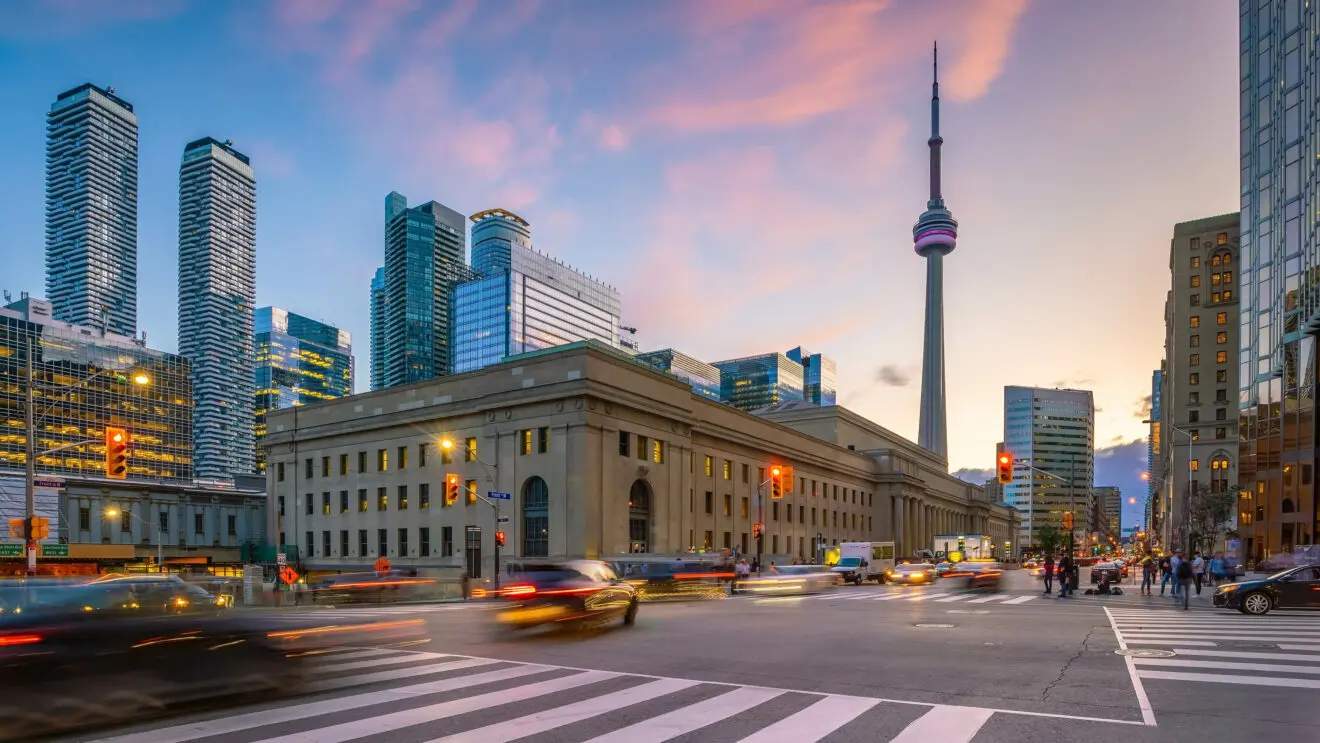
Pinnacle International’s SkyTower has officially claimed the title of Canada’s tallest building, recently crossing the 100-floor milestone on its way to a final height of 106 storeys (almost 352 metres). Now standing higher than the CN Tower’s main observation pod, the record-breaking condominium tower serves as a massive punctuation mark on Toronto’s historic building boom. Once completed, it will offer 958 residential units featuring unparalleled views above the city’s cloud line.

The Bosley Advantage
Read about the heritage and innovation that form the foundation for Bosley’s industry-leading approach to real estate.